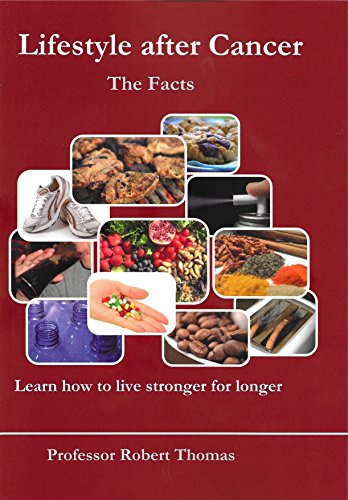
Read Lifestyle After Cancer: The Facts book online now. You also can download other books, magazine and also comics. Get online Lifestyle After Cancer: The Facts today. Are you Looking Download or read Lifestyle After Cancer: The Facts for free..? enjoy it.
With nearly 3 million people living with and beyond cancer in the UK, many suffering the consequences of treatment, the case for developing effect, self-help initiatives has never been stronger. This talk summarises the international evidence, which proves that physical activity, nutrition and other lifestyle strategies have major benefits for individuals with cancer, their families and health providers. Including:
•Reducing cancer related fatigue, weight gain and hot flushes.
•Improving psychological well-being and overall quality of life.
•Reducing the risk of radiotherapy, chemotherapy, hormone and targeted therapy late effects.
•Helping to maintain health bones and preventing treatments related arthritis.
This talk discusses the biological processes that take place in the body after a healthy lifestyle, which can have direct and indirect anti-cancer effects.
By looking only at the scientific evidence, it breaks down the myths behind which foods to avoid and which to eat more of. It discusses the importance of physical activity, the risks the benefits, of mineral and vitamin supplements and highlights the potential benefits of boosting the anti-cancer polyphenols in our diet. It summarises the results of the world’s largest double blind randomised study of a polyphenol rich food supplement Pomi-T, developed and tested with the help of the UK government’s National Cancer Research Network (NCRN).
Professor Robert Thomas is a Consultant Oncologist at Bedford and Addenbrooke’s Hospitals, a Professor of applied biology and exercise science Coventry University, a senior clinical tutor at Cambridge University and a visiting professor at the University of Bedfordshire. He is editor of the lifestyle and cancer website (Cancernet.co.uk) and designed the 1st UK approved qualification in cancer rehabilitation. He wrote the evidence review for the UK’s National Cancer Survivorship Initiative, chairs the Macmillan Cancer Support Exercise advisory committee and directs an dynamic research unit, which has designed numerous studies which been published across the world. For these, and other, efforts to improve the long term cost effect wellbeing of patients with cancer he was awarded the British Oncology Association Oncologist of the Year, the Hospital Doctor Magazine UK Doctor of the Year and the Royal College, Frank Ellis Medal.
